
Fiber Optic Installation Isn’t Easy—Here’s Where Crews Struggle (and How the SiBore™ Drill Helps)
Talk to anyone in fiber optic installation and you’ll hear the same thing: demand keeps growing, but the work isn’t getting any simpler. Tight spaces, fast timelines, and constant pressure to avoid costly mistakes can make even routine jobs feel like a juggling act.
The right equipment can help, but it’s rarely about a single “magic solution.” Instead, it’s about finding tools that make specific parts of the job more manageable. Here are a few common challenges crews run into—and where a compact boring tool like the SiBore™ Drill can make a difference.
1. Limited Space to Work
Fiber projects rarely happen in ideal conditions. Crews are often working in backyards, along sidewalks, or in narrow easements crowded with existing utilities. Larger equipment can be difficult to position, let alone operate efficiently.
Where it gets challenging:
- Restricted access points
- Obstacles like fences, landscaping, and structures
- Congested utility corridors
A practical consideration:
A smaller, more maneuverable drill can be easier to position and operate in these environments. In situations where space is tight, having a compact option can reduce setup time and limit disruption to the surrounding area.
2. Working Around Existing Utilities
Uncertainty about what’s underground is part of almost every bore. Even with utility locates, there’s often some level of risk involved.
Where it gets challenging:
-
Incomplete or outdated utility data
-
Dense underground infrastructure
-
Limited visibility during drilling
A practical consideration:
Tools designed for smaller, controlled bores can offer operators more precision and feedback. That added control doesn’t eliminate risk, but it can help crews work more carefully in utility-heavy areas.
3. Surface Disruption and Restoration
Customers don’t care how fast fiber gets installed if their yard, driveway, or sidewalk ends up destroyed in the process. Repairs to lawns, sidewalks, or driveways can quickly add time and cost to a project.
Where it gets challenging:
-
Visible damage to finished surfaces
-
Additional labor for restoration
-
Customer dissatisfaction
A practical consideration:
Trenchless methods can significantly reduce surface impact. Equipment that supports this approach can help limit cleanup and restoration work, which benefits both crews and property owners.
4. Slow Setups and Lost Time
Efficiency matters. Waiting on large equipment, dealing with complicated setups, or moving between sites can turn a productive day into a frustrating one.
Where it gets challenging:
-
Transporting and positioning larger equipment
-
Lengthy setup processes
-
Downtime between jobs
A practical consideration:
Simpler, quicker-to-deploy tools can help crews stay productive. In some cases, using a smaller drill for shorter runs can reduce the need for more time-intensive equipment.
5. The “Last Mile” Headache
Running fiber down a main line is one thing. Getting it from the street to individual homes and businesses, or the last mile, is where things get tricky.
Where it gets challenging:
-
Short, precise bores in residential areas
-
Navigating existing surfaces like driveways and sidewalks
-
Switching between different tools for small jobs
A practical consideration:
Compact drills are often well-suited for these shorter, more precise bores. Having a dedicated solution for last-mile work can simplify these tasks without overcomplicating the setup.
Making the Work More Manageable
No piece of equipment will eliminate every challenge in fiber installation. But the right tool can make the work smoother, faster, and a lot less stressful.
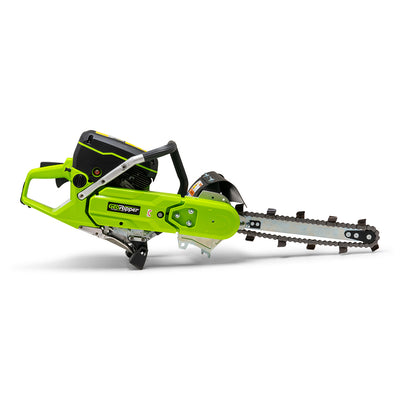
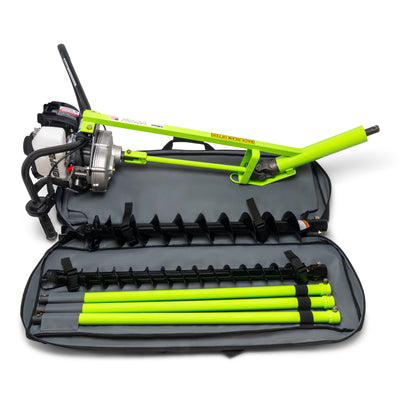
The SiBore ™ Drill isn’t about replacing everything else in your fleet—it’s about filling a gap. It gives crews a reliable option for tight, precise, and low-impact boring where bigger machines just don’t make sense.
And at the end of the day, most crews are looking for the same things: fewer complications, smoother workflows, and jobs that stay on track. When those pieces come together, everything else—from timelines to customer satisfaction—tends to improve.